
Autism Evaluation for Toddlers and Preschoolers in Minnesota
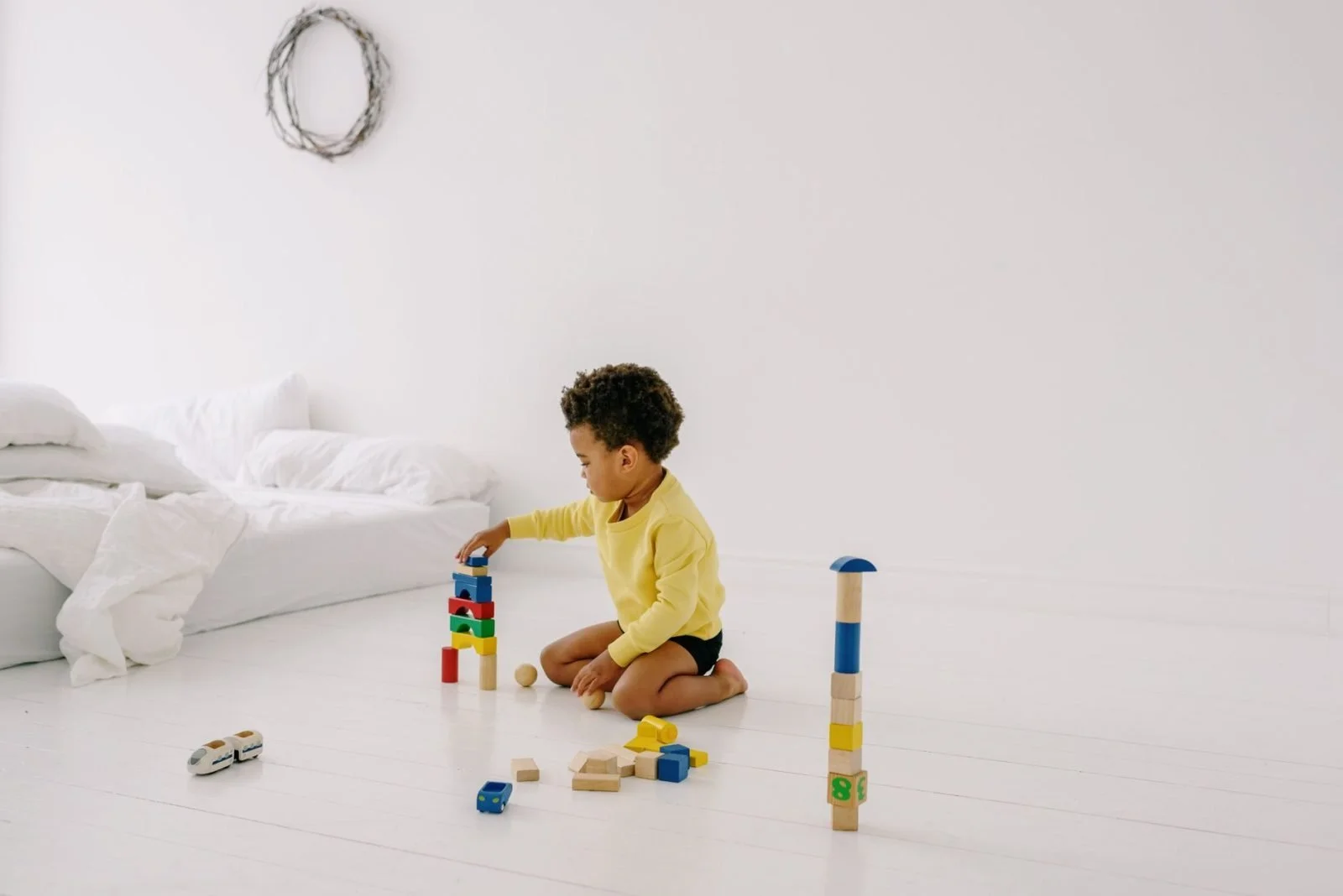
You notice things other people brush off. The way your two-year-old lines up their toys with such focus, or covers their ears at the grocery store, or seems happiest playing near other kids rather than with them. Maybe your preschooler talks in full sentences but struggles when a routine changes. You are not overreacting by paying attention, and it's a good time to consider an autism evaluation for toddlers and preschoolers in Minnesota.
When something feels different and you can't quite name it
Early childhood is full of variation, and that is exactly what makes this hard. Every toddler has big feelings, and every preschooler has an off day.
What tends to bring parents here is a pattern, not a single moment. It is the same meltdown at the same transition. The words that came and then went quiet. The way play looks different from what you saw with a sibling or a cousin.
You might find yourself watching other children at the park and comparing. You might have mentioned something to a pediatrician and been told to wait and see. Waiting can feel like the loneliest thing when your gut keeps nudging you.
What are common signs of autism in young children?
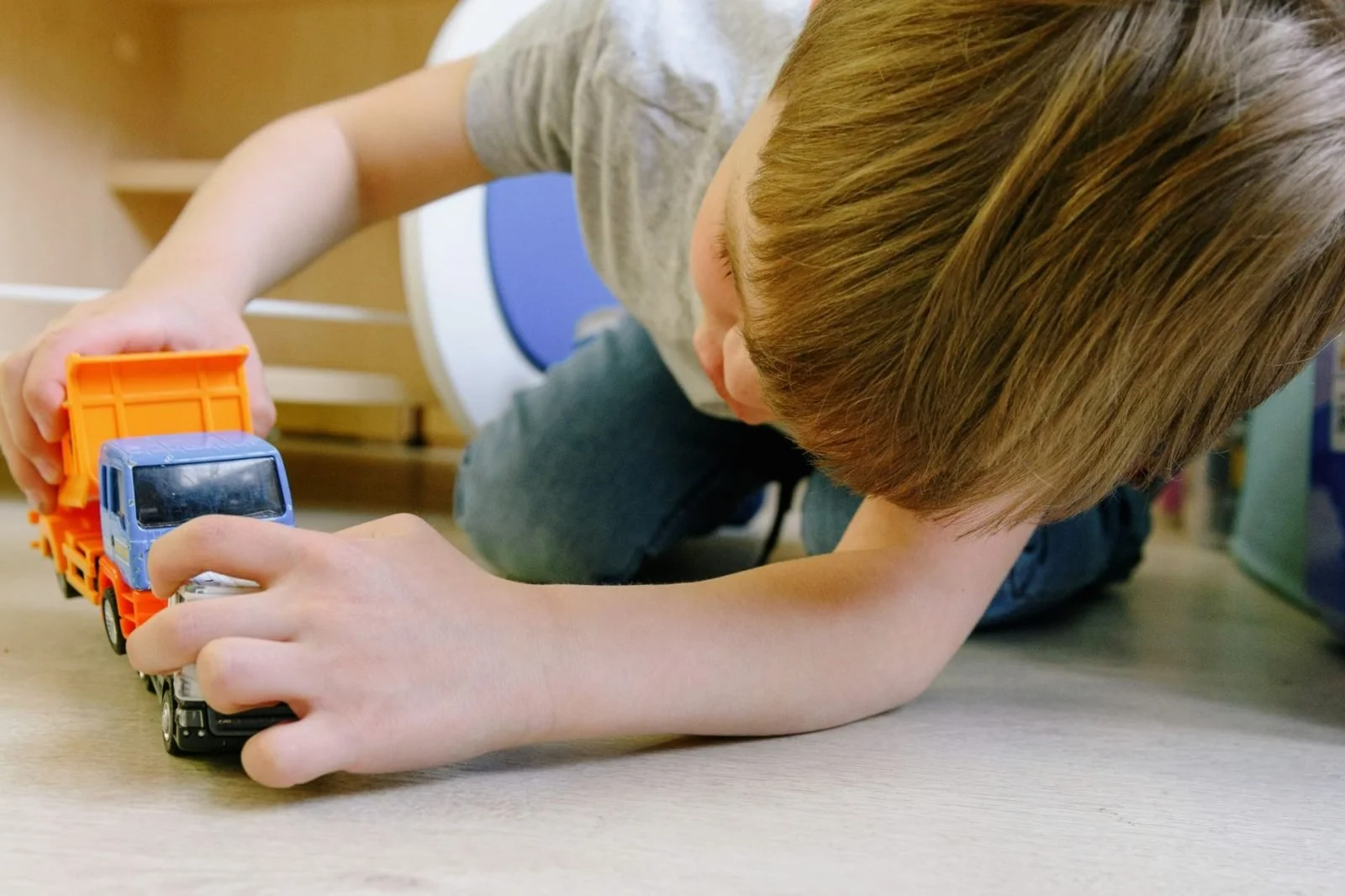
Some families notice their child does not point to share excitement, or does not respond to their name the way they expect. Others see intense interests, strong reactions to sounds or textures, or real distress when a plan shifts. Some children have a rich vocabulary and still find back-and-forth conversation puzzling.
None of these signs mean something is wrong with your child. They are simply information about how your child experiences the world. An evaluation helps you understand that experience so you can support it well.
How an evaluation gives you clarity
A comprehensive evaluation looks at your child from several angles at once. It combines your observations as a parent, structured play-based activities, and developmental history into one clear picture.
At White Bear Psychological Services, Dr. Rebecca Kanive brings more than fifteen years of experience with children from birth through the early school years, including neuropsychological assessment work with very young kids. The goal is understanding, described in plain language, with your child's strengths named right alongside any challenges.
You get specific actions to support your child at home and share with educational settings.
Our early evaluations are part of the same comprehensive approach we bring to autism testing for kids. across every age group. Because attention and activity concerns often overlap with autism traits in this age range, some families also consider a child ADHD evaluation.
Autism Evaluations Across Childhood
Autism can look different across development, and evaluations are adapted to the child's age and developmental needs. Families with older children can learn more about our Autism Testing for School-Age Kids in Minnesota and Autism Testing for Teens in Minnesota.
FAQs
Is my child too young to be evaluated for autism?
1
Likely not. Autism can be evaluated well before kindergarten, and many families seek assessment during the toddler and preschool years. Evaluation at this age draws heavily on caregiver knowledge of the child's development and direct observation of how the child communicates, plays, and interacts, along with other developmental measures when appropriate. Understanding a child's developmental profile early can help families identify supports that fit their needs.
What if the meltdowns are really intense and nothing seems to help?
2
Some young children have a strong need for autonomy and become distressed or overwhelmed by everyday expectations and demands. When these patterns are part of the concern, an evaluation can consider whether a PDA profile may be relevant alongside autism, anxiety, ADHD, sensory differences, and other developmental factors.
What happens if my child receives an autism diagnosis?
3
An autism diagnosis can provide a framework for understanding your child's developmental pattern, strengths, areas of difficulty, and support needs. Families receive a written report and can share it with schools, healthcare providers, therapists, or others when they would like the findings considered. The diagnosis is one part of understanding your child and does not define who they are.